
Category Management 2.0
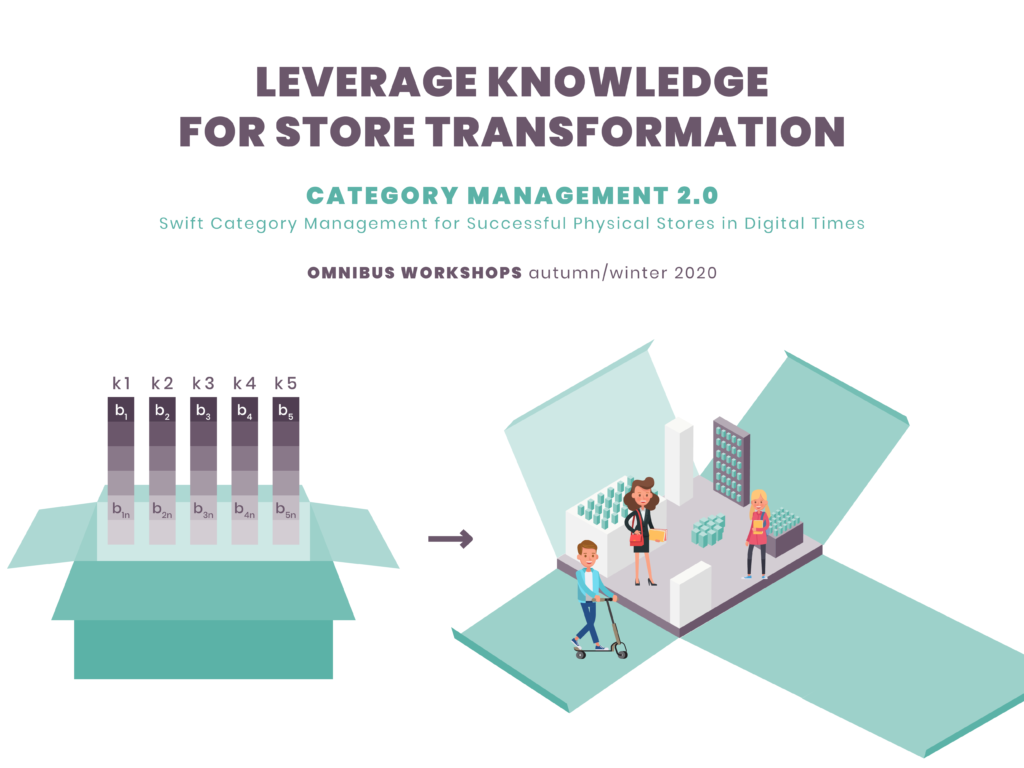
Workshop: Category Strategy from A to Z
From first category assessment to succesful execution - a hands-on workshop that helps retailers and suppliers turn insights into growth strategies and bring them to life in-store.
KEY COMPONENTS
Structured Templates
Step-by-step templates for creating actionable category strategies
Guidebook
“1 Category Strategy from A to Z” – your complete reference to Category Management 2.0.
Simulation & Practice
Work on real cases (e.g., Beer Category) to apply learning immediately.
AI-Ready Models
Learn frameworks ready for AI-enhanced tools like Alvin.
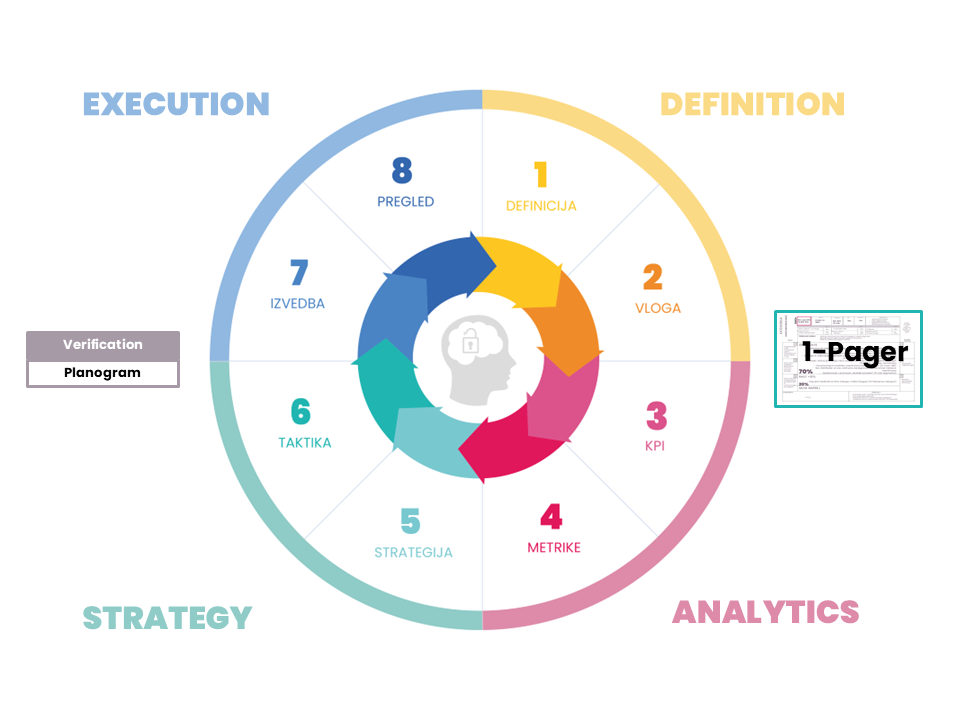
Moment of Truth – Define the key decision point for the shopper
Picture of Success – Visualize desired shelf and shopper outcomes
Category Assessment – Identify opportunities & benchmark performance
Shopper Profile – Understand needs, missions, and buying triggers
Category Role & Strategy Clarify role, strategy, and positioning
Implementation Plan – Define key actions, KPIs, and responsibilities
Execution & Feedback – Translate strategy into in-store reality
Each step guided by templates from the Category Strategy Handbook
Optional simulation (e.g., Beer Case) or real category case
Where we are heading from A to Z?
CM 2.0

- Strategic
- Flexible & agile
- Aligned with strategy

- Breakthrough insights
- Experiments & Innovation
- Agility for customers’ value

- Lean organization
- AI & ML
- Cross-functional
- Clear roles
FEEL-GOOD STORES

COURSE PURPOSE
Category management was a rising star of retail in the 1990s. Putting customers in the focus, seeking win-win collaborations between retailers and category captains (suppliers) and especially taming increasing quantities of new-coming products which customers easily bought in more and more meters of shelf space, it became so powerful that most retailers reorganized its whole retail management operations around the concept.
Then came the digitalization of the world that brought tremendous changes in retail. New shopping habits, long assortment tail of internet, mobile phones with exploding new data sources all challenged category management. Plus discounters. Not to mention covid. In this fast-changing world category management with its mechanical routines, complicated processes, heavily specialized software and its attachment to past data became a burden.
Mark Taylor summarized the situation in comparing the process to a corpse in his booklet “Who Killed Category Management”.
The time is ripe to put the process into a new perspective and find a way to a much more flexible framework suitable for new conditions. Adaptable Category Management. Streamlined. Fluid. By learning through play and discovering solutions to 12 key challenges together with our participants we’ll do just that.
PARTICIPANTS
Retailers
that already use Category Management will be able to not only refresh the knowledge but also learn and try improved practices in a safe workshop environment (by building a model store). Together, we’ll invigorate the processes and prepare the teams not only for today but also (and especially) for the challenges of tomorrow.
Suppliers
will discover opportunities that new situation provides and learn how-to leverage them in their key account management practices. We’ll also examine the opportunities to get out of the toxic pricing game and move towards indispensable offer status.
Craft Suppliers
will get to know the processes that impact the behaviour of retail giants. A “behind the scenes”. We’ll examine what makes retailers tick and how to successfully put your valuable stories on the shelves. Under new conditions, retailers seek new ways to connect them with a customer – we’ll find and prepare tactics that fits.
Independent Retailers
will learn how to implement a light version of the framework without stifling their initiative.
WHAT YOU’LL LEARN
- Adaptable category management as a framework to encounter 12 key retail challenges for the digital environment
- Understanding key shopping motives of your customers
- Key performance indicators (KPI) for measuring store profitability and success
- How to use Pareto 80/20 analysis for assortment optimization? Does Pareto have limits?
- How to install your retail strategy into everyday category management activities?
- Measuring promotion efficiency
- How to leverage destination categories to provide a unique selling proposition for your store
- Visual merchandising – how shopper perception impacts store space organization
- Smart tactics: cross-sell and up-sell (from data insights to picture of success)
- Insights from neuroscience shopper research
- How to structure the data and the shopper research available to your suppliers
- Ways to increase shopping basket with impulse products
- 5 key variables of every point-of-sale: price, promotion, assortment, merchandising, space
- Deconstructing process of category management in practice: from negotiations to shelf space management practices … and feedback!
KEY PRINCIPLES
CONTENTS AND FORMAT
- ECONOMY -> learning around cases, limited live data included
- ECONOMY + -> intermediary level, learning around cases but already implementing knowledge on “hard cases” from clients’ practice
- SPECIAL -> could be seen as a phase of the actual projects, eg. development of a new product line or working on a pilot store of a new generation
FURTHER INFORMATION

